
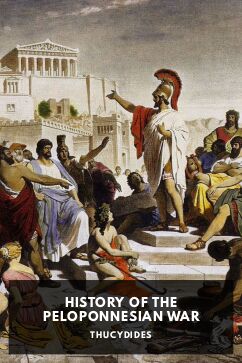
History of the Peloponnesian War - Thucydides
Okay, let's set the scene. It's the 5th century BC. Greece isn't one country; it's a bunch of city-states, with Athens and Sparta as the two biggest kids on the block. They'd just teamed up to beat the Persian Empire, but the alliance didn't last. Athens, with its powerful navy and radical democracy, started building its own empire, calling it a "league." Sparta, a conservative, land-based military society, got nervous. The whole thing was a powder keg waiting for a spark.
The Story
Thucydides chronicles the war that followed, from that first spark in a backwater town to the final, shocking defeat of Athens. He breaks it into three main acts. First, the Archidamian War: Sparta invades Athenian territory yearly, but Athens, safe behind its walls and supplied by sea, holds out. Then, a fragile peace falls apart. The second act is the disastrous Sicilian Expedition, where Athens overreaches spectacularly, sending a huge force to conquer Sicily and losing almost all of it. The final act is the Ionian War, where Sparta, with Persian money, finally builds a navy to match Athens. Exhausted, plagued by internal rebellion and a crippling plague (which Thucydides survived and describes in horrifying detail), Athens surrenders. Its walls are torn down, and its empire is gone.
Why You Should Read It
You don't read Thucydides for a fun, light story. You read it because it feels less like ancient history and more like a manual for human nature in crisis. His insights are timeless. He shows how leaders use moral language to justify selfish actions. You see how public opinion swings wildly based on emotion. His description of the Corcyraean civil war is a masterclass in how societies fracture during stress, where words change meaning and loyalty becomes a liability. The speeches he recreates, like the famous Melian Dialogue, are chilling debates about power and justice that could be happening in a modern war room. It's gripping because it's real, and it's terrifying because it's so recognizable.
Final Verdict
This book is a commitment, but it's worth it. It's perfect for anyone who loves political dramas, strategic thinking, or big ideas about why societies succeed and fail. If you enjoyed the complex machinations of Game of Thrones or the strategic depth of a great war documentary, you'll find the original blueprint here. It's not an easy beach read, but it is one of the most rewarding and mind-expanding books you'll ever pick up. Just be prepared—it might change how you watch the news.
This title is part of the public domain archive. Knowledge should be free and accessible.
Daniel Scott
3 months agoAfter finishing this book, the flow of the text seems very fluid. I couldn't put it down.
Daniel Flores
1 year agoI was skeptical at first, but the narrative structure is incredibly compelling. A true masterpiece.
Paul Harris
8 months agoFrom the very first page, it provides a comprehensive overview perfect for everyone. Thanks for sharing this review.
Logan Jackson
1 year agoA bit long but worth it.









Carol Rodriguez
1 year agoJust what I was looking for.