
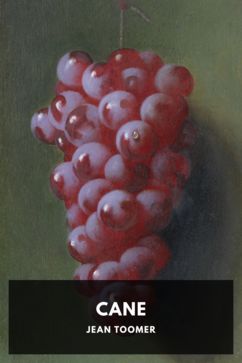
Cane - Jean Toomer
Jean Toomer's Cane is a hard book to pin down, and that's what makes it so special. Published in 1923, it mixes poetry, short stories, and drama to paint a picture of Black American life.
The Story
There isn't one single plot. The book is in three parts. The first part is set in the rural South, in Georgia. We get vivid, often tragic, glimpses of people's lives. There's Karintha, a beautiful woman whose life is shaped by the men who desire her. There's Becky, a white woman with Black sons, living in an outcast's shack. The writing here is lush and heavy, like a Southern night.
The second part shifts to the North, to Washington, D.C., and Chicago. Here, life is faster, more modern, but the characters often feel disconnected and lost, adrift in the city. The final section is a strange, powerful play called "Kabnis," about a Northern Black man struggling to understand the South and his own history. The whole book feels like a journey searching for roots and identity.
Why You Should Read It
You should read Cane because it feels alive. Toomer doesn't just tell you about his characters; he makes you feel the heat, hear the songs, and sense the longing. The book is full of tension—between North and South, between past and future, between holding on and moving forward. It captures a specific moment when millions of Black Americans were moving North in the Great Migration, and it asks what gets left behind and what can be carried forward.
Most of all, it's about people trying to breathe free in a world that wants to box them in. The women in this book, in particular, are unforgettable. Their strength and their pain are written with such raw honesty.
Final Verdict
This book is perfect for anyone who loves poetry mixed with prose, or for readers curious about the foundations of the Harlem Renaissance. If you like books that experiment with form and aren't afraid of raw emotion, you'll find a lot here. It's not a light, easy read—it demands your attention and sits with you afterward. Think of it as essential, powerful art. It's for the reader who wants to experience a classic that still feels startlingly fresh a century later.
Legal analysis indicates this work is in the public domain. Distribute this work to help spread literacy.
Edward Young
2 years agoAs someone who reads a lot, the storytelling feels authentic and emotionally grounded. This story will stay with me.
Jennifer Taylor
5 months agoCitation worthy content.
Christopher Perez
1 year agoAs someone who reads a lot, the clarity of the writing makes this accessible. I couldn't put it down.
Karen Moore
1 year agoUsed this for my thesis, incredibly useful.





Elizabeth Jackson
1 year agoClear and concise.