C
Cassie Sonnentag
Guest
- Thread Author
- #1
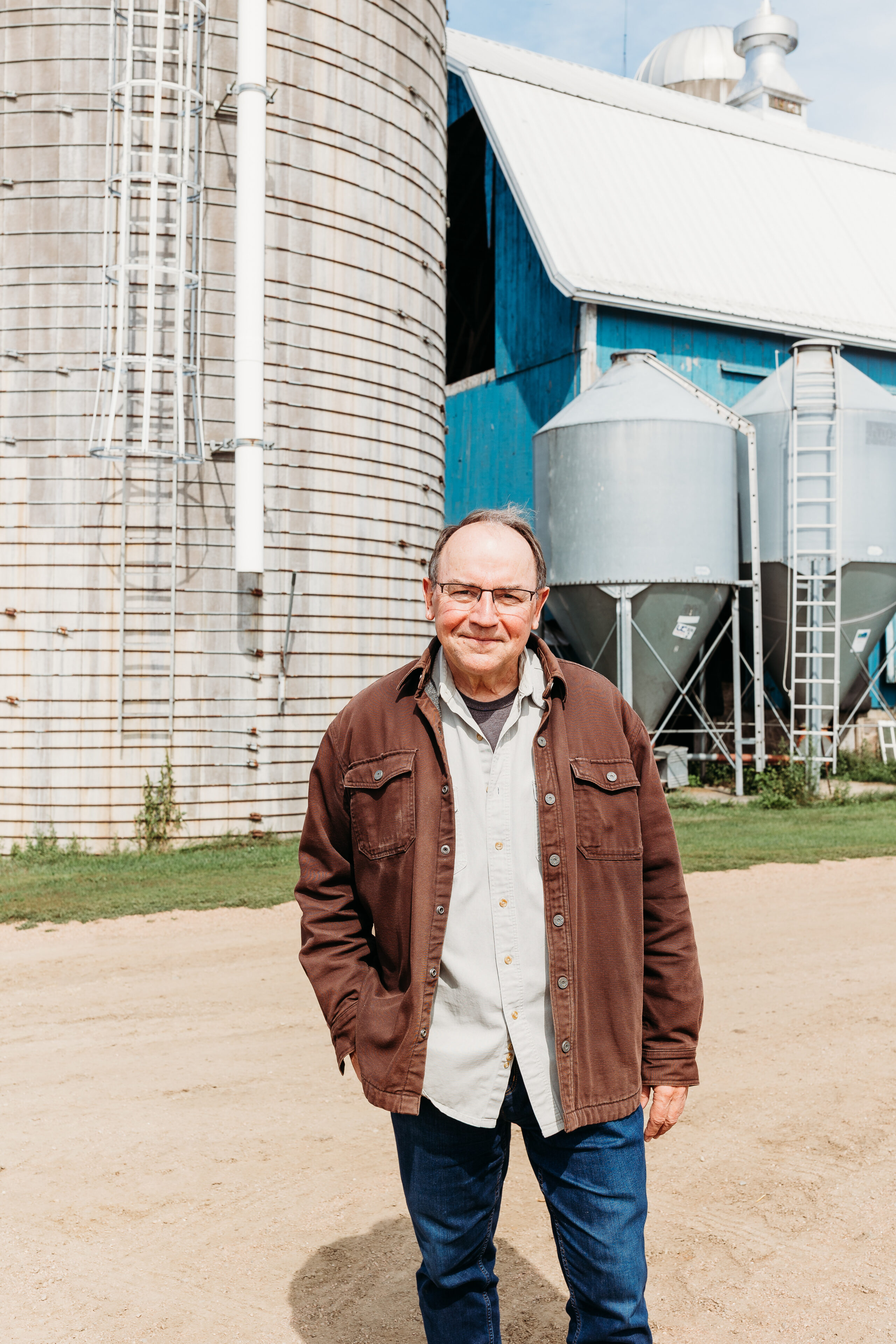 Wisconsin Farm Bureau recently sat down for a Q&A session with Wisconsin Gubernatorial Candidate Tom Tiffany, who was endorsed by the Volunteers for Agriculture® earlier this summer. From land use and beginning farmers to beef prices and healthcare, we asked about how he will approach key issues impacting agriculture if elected governor on November 3.
Q: Please provide a brief background and what motivated you to run for Governor of Wisconsin.
A: “I’m a lifelong Wisconsinite who wants the very best for our state because this is where my roots are, where I raised my family and where I want future generations to build their lives. I grew up on a dairy farm in western Wisconsin, worked my way through UW–River Falls and built a small business in the Northwoods with my wife, Chris, while raising our three daughters. Those experiences taught me the value of hard work, personal responsibility and making every dollar count.
Today, too many Wisconsin families are feeling squeezed by rising costs. Property taxes have increased at some of the fastest rates in decades, utility rates have increased over $2 billion under Gov. Evers and it is becoming harder to afford a home, raise a family or start a business. As governor, my priority will be making Wisconsin more affordable. I will end the 400-year property tax hike, hold the Public Service Commission accountable for rising utility rates, protect our farmland from industrial-scale wind, solar, and data centers, increase healthcare price transparency, cut red tape that drives up housing costs, and root out waste, fraud, and abuse in state government.
Wisconsin families do not need bigger government or higher taxes. They need leaders who understand the challenges they face and are willing to make the same budgeting decisions families make every day. I believe Wisconsin’s best days are still ahead, but we need leadership to unlock our state’s potential.”
Q: As Wisconsin agriculture faces a generational transition, many beginning farmers struggle with access to land, capital and pathways to ownership. What policies would you support to improve farm transition and help beginning farmers enter and succeed in agriculture?
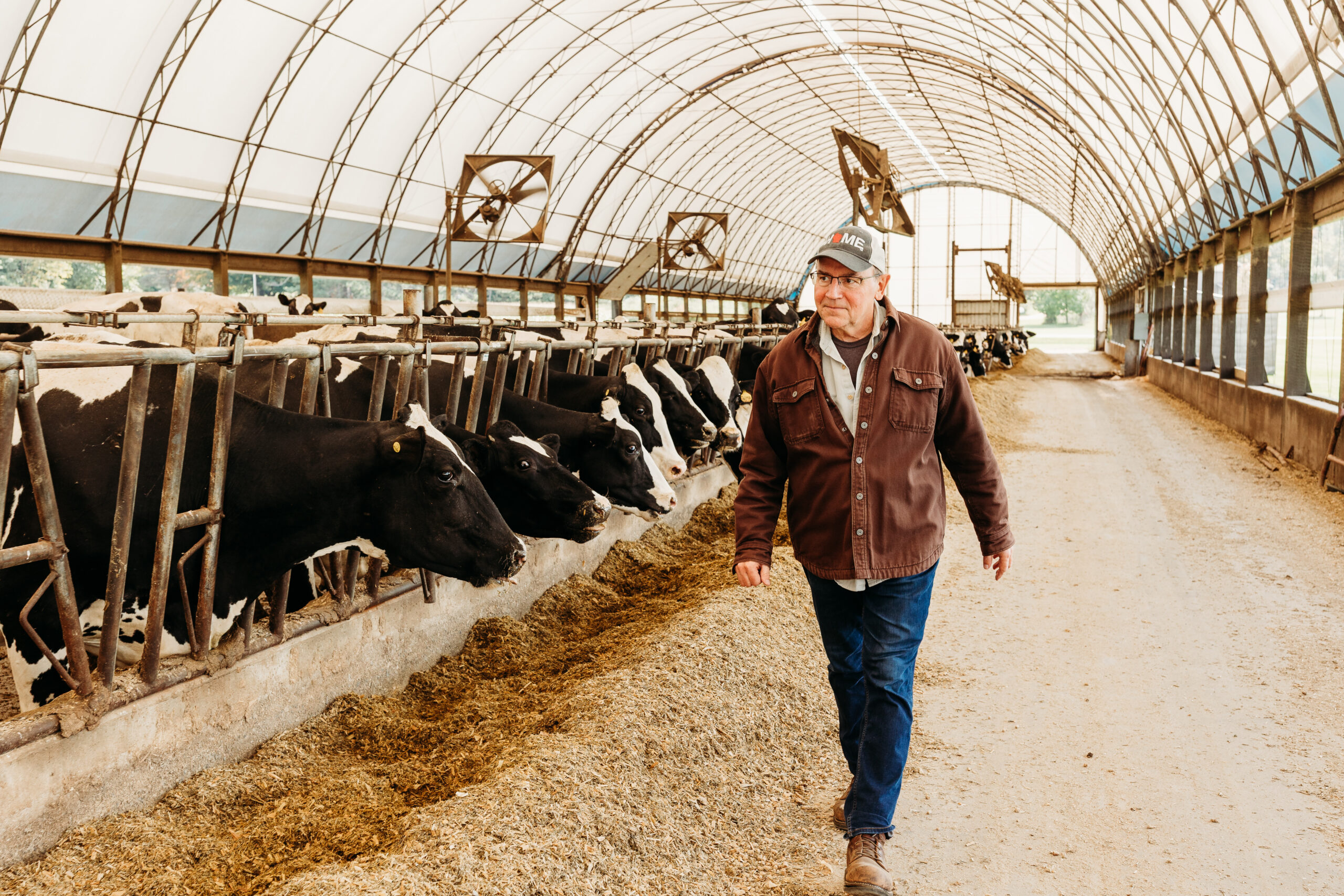 A: “As governor, I will create a Young Farmers Program to help the next generation enter and stay in agriculture. This program will focus on expanding access to farmland, supporting the purchase of essential equipment and helping young producers build financially sustainable operations. This is also an opportunity to invest in the future of farming. I want to support the adoption of technology and precision agriculture, helping young farmers modernize their operations, improve efficiency and increase productivity. I will also build on efforts like the dairy innovation program to upgrade outdated equipment and modernize Wisconsin’s dairy industry.”
Q: Do you support the federal plan to increase beef imports by 300,000 tons to artificially bring down the price of beef in the U.S.? What should the government do to reduce prices long term for consumers and ensure domestic production?
A: “We shouldn’t penalize our farmers here in Wisconsin by bringing in more beef from other countries and making it harder for them to compete. Wisconsin farmers feed our families, support our rural communities and are a critical part of our economy. It’s time to review the anti-competitive practices of the Big Four meatpackers. I also support mandatory country-of-origin labeling so consumers know where their beef comes. Wisconsin should maintain its robust network of family-owned processors, which gives us a competitive advantage and gives our farmers more options to get their products to market. I stand with Wisconsin farmers, and as governor, I’ll always put Wisconsin agriculture first.”
Q: What are the most pressing issues you are hearing across Wisconsin?
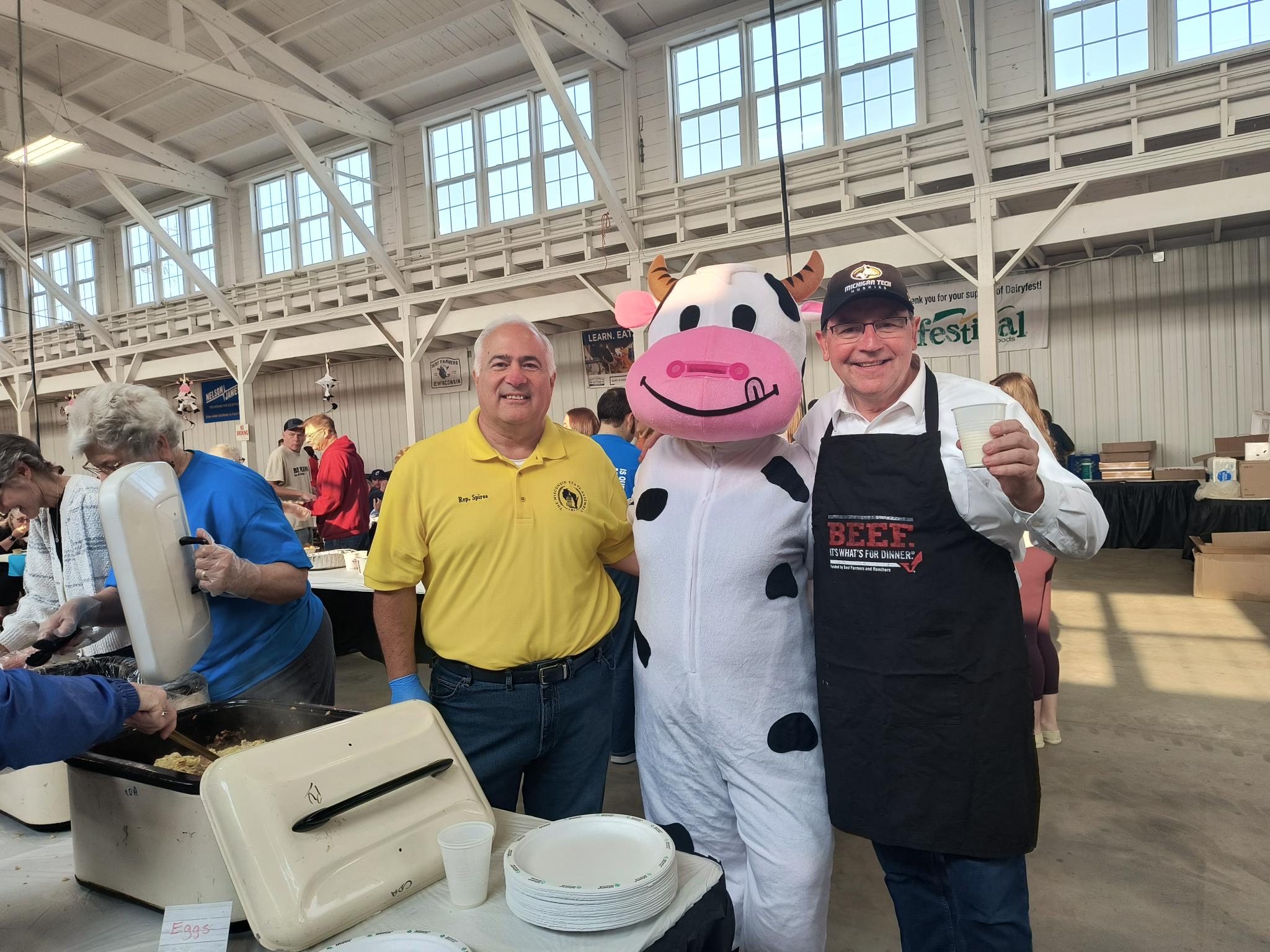 A: “Wisconsin has become increasingly unaffordable for families and farmers. Property taxes remain too high, utility rates keep climbing, and the cost of doing business continues to rise. The second major issue is protecting Wisconsin, especially our farmland and rural communities. We are seeing increasing pressure from subsidized, industrial-scale solar and wind projects, as well as large data center developments that consume vast amounts of land and energy. We need a common-sense approach that respects private property rights and gives power back to local communities while also protecting our productive farmland and food security.”
Q: The expansion of large-scale wind and solar development, along with the growth of data centers, is increasing pressure on agricultural land and creating conflicts in rural communities. How should Wisconsin approach the siting and development of these projects to protect productive farmland and rural communities while maintaining affordable energy costs?
A: “We should protect Wisconsin’s most productive farmland and ensure that rural communities have a meaningful voice in these decisions. As governor, I will sign Senate Bill 3 (2025) into law to restore local control over the siting of large-scale wind and solar projects in Wisconsin communities. I will also end subsidies that incentivize wind, solar or data center development on productive farmland. At the same time, we must ensure energy remains reliable and affordable. That means encouraging nuclear and other baseload power development in appropriate areas, such as brownfield sites and existing industrial corridors, rather than pushing development on our beautiful farmland.”
Q: Due to the variability and unpredictable nature of farm income, many farmers face unaffordable or widely changing health coverage costs under the Affordable Care Act. As a result, farm families are often forced to rely on off-farm employment or risk going without coverage altogether. Would you support Wisconsin becoming the fifteenth state in the country to enable Farm Bureau to offer affordable plans to our members?
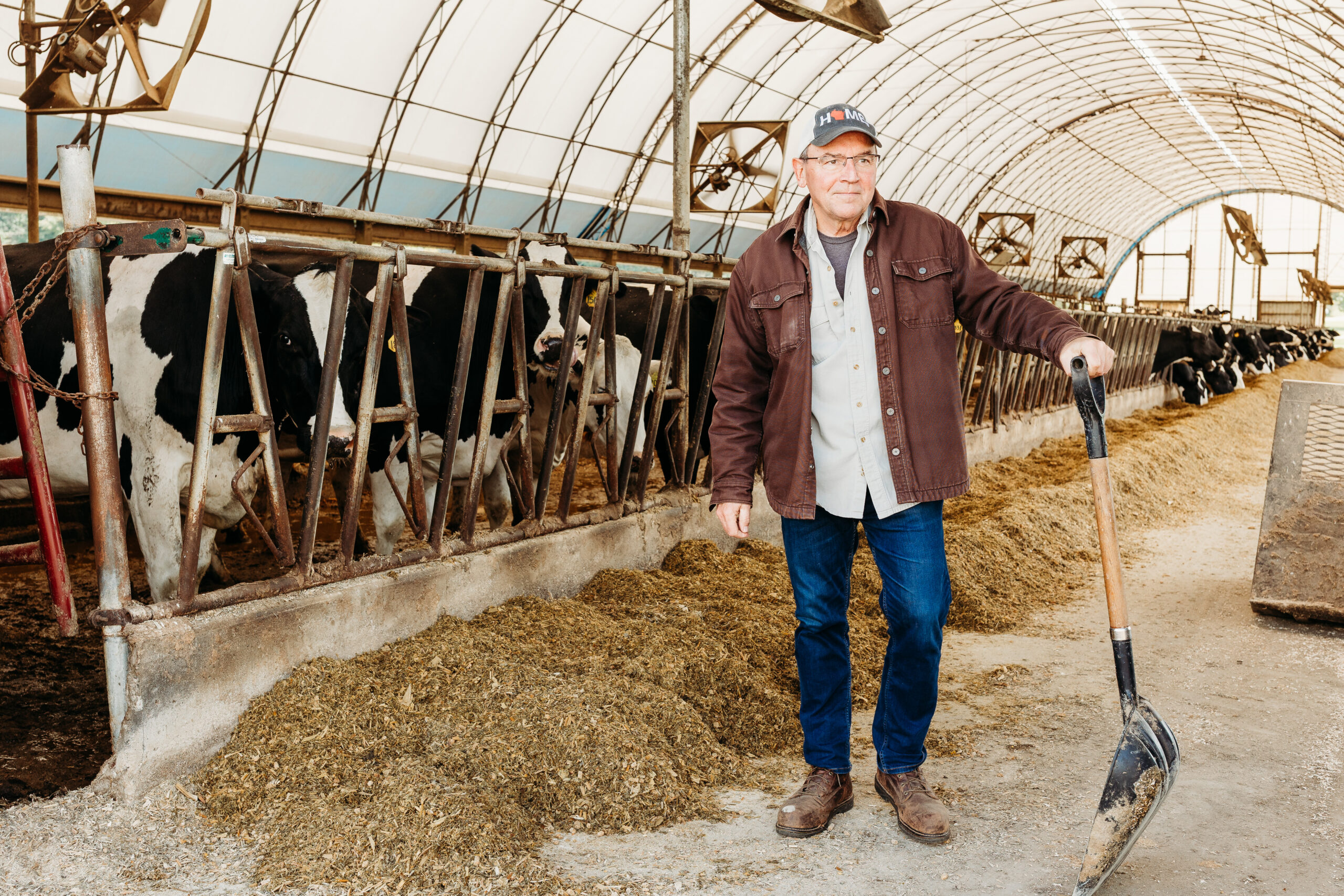 A: “I will support and sign legislation similar to Assembly Bill 448 (2025) into law. This proposal would allow a nonprofit farm organization to offer health benefit plans to its members, giving farm families more flexibility and more predictable coverage options. If we want to lower healthcare costs in Wisconsin, we need to expand choice and increase competition to lower costs for our farm families.”
Q: Do you have any personal or professional experience in agriculture or farming?
A: “I grew up on a dairy farm in Elmwood, Wisconsin, and that upbringing instilled the values of hard work, teamwork alongside my seven brothers and sisters, and personal accountability. After graduating from the University of Wisconsin-River Falls with a degree in agricultural economics, I went on to manage the petroleum division of a farm cooperative, where I oversaw fuel and energy supply for local farmers and rural communities.”
All photos supplied by the staff of Tom Tiffany.
The post Wisconsin Gubernatorial Candidate Tom Tiffany Answers Farmers’ Questions appeared first on Wisconsin Farm Bureau Federation.